
Struggling to understand electric toothbrush prices? The huge range is confusing, making it hard to find value. You might be worried about overpaying for features you don’t need.
An electric toothbrush can cost anywhere from $5 to over $400. For a high-quality, reliable rechargeable model, most people will spend between $40 and $100. The final price depends heavily on the technology, battery, and smart features included.
The retail price you see on the shelf is just one part of the story. As someone who helps brand managers like you develop new products, I can tell you that understanding the manufacturing cost is where the real opportunity is. It helps you see beyond the marketing and focus on what truly creates value for your customers. Let’s break down what you’re actually paying for when you source an electric toothbrush.
How much should I pay for an electric toothbrush?
Deciding on a budget is tough. You don’t want to choose a cheap product that compromises on quality, but overspending on marketing hype feels wasteful. How do you find the right balance?
You should aim to pay between $40 and $150 for a great consumer electric toothbrush. This price range delivers reliable rechargeable models with useful features like multiple modes and pressure sensor electric toothbrush, without the high cost of luxury branding or niche smart functions.
For brand managers, the key is to match the product tier to your brand’s position. I always advise my clients to look at the features that provide tangible benefits. Here’s a simple breakdown I use to help them decide where to focus:
| Category | Retail Price Range | What You Get |
|---|---|---|
| Budget Battery-Powered | $5 – $25 | Basic vibrations, powered by AA/AAA batteries. Good for travel or as a starter brush, but lacks the power for a deep clean. |
| Entry-Level Rechargeable | $30 – $60 | The best value for most users. Comes with a charging base, a 2-minute timer, and often a basic pressure alert. |
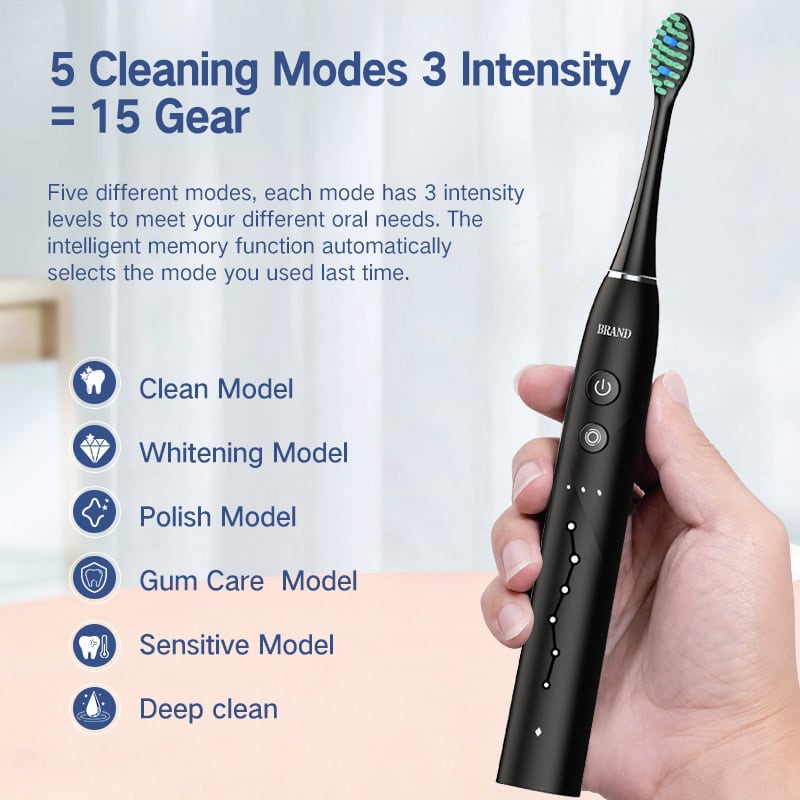
| Mid-Range & Smart | $70 – $150 | This is the sweet spot for premium brands. You get brushless motors, long-lasting Li-ion batteries, multiple cleaning modes, and sometimes Bluetooth app tracking. |
| Premium & Luxury | $200 – $400+ | Features advanced tech like AI coaching and magnetic motors. The high price often reflects significant marketing spend and brand equity, not just better cleaning. |
As you can see, the mid-range offers the best combination of performance and features that customers notice and appreciate.
Do dentists really recommend electric toothbrushes?
You always hear that dentists recommend electric toothbrushes, but you might wonder if it’s true or just a marketing tactic. You need to know if the investment is clinically justified for your customers.
Yes, dentists widely recommend electric toothbrushes. They are clinically proven to remove more plaque and reduce gingivitis more effectively than manual brushes. The built-in timers also help people brush for the full recommended two minutes, improving overall oral hygiene.
From my experience working with oral care brands, the features dentists love are the ones that eliminate user error and build healthy habits. When we develop a new toothbrush at Besman, we focus on three key things that dentists point out. First is superior plaque removal. The high-frequency vibrations, often over 30,000 strokes per minute, do the work far more effectively than a person can manually. Second is the built-in timer. Most people don’t brush for the full two minutes, but a toothbrush with a 30-second quadrant pacer teaches them to clean each part of their mouth properly. Third, and this is crucial for a premium product, is the pressure sensor. It stops the user from brushing too hard and damaging their gums. These features don’t just make a better product; they provide real health benefits that justify the price.
Is it worth spending money on an electric toothbrush?
An electric toothbrush is a bigger investment than a manual one. You may wonder if the higher price really translates to better long-term oral health for your customers. Is the extra cost truly justified?
Yes, it is absolutely worth spending money on a quality electric toothbrush. The improved cleaning power helps prevent costly dental issues like cavities and gum disease. The initial cost is often offset by long-term savings on dental bills.
When I talk to brand managers, I frame this as an investment in customer health and brand loyalty. A product that prevents problems is a product customers will love and recommend. The initial cost of the brush is one thing, but there’s also the "hidden" cost of ownership to consider: the replacement heads. Dentists recommend changing them every three months. This creates a recurring revenue stream for your brand and a chance to stay connected with your customer. Here’s what the costs typically look like:
| Brush Head Type | Cost Per Head |
|---|---|
| Generic / Budget Brands | $2 – $5 |
| Name Brands (Philips/Oral-B) | $8 – $12+ |
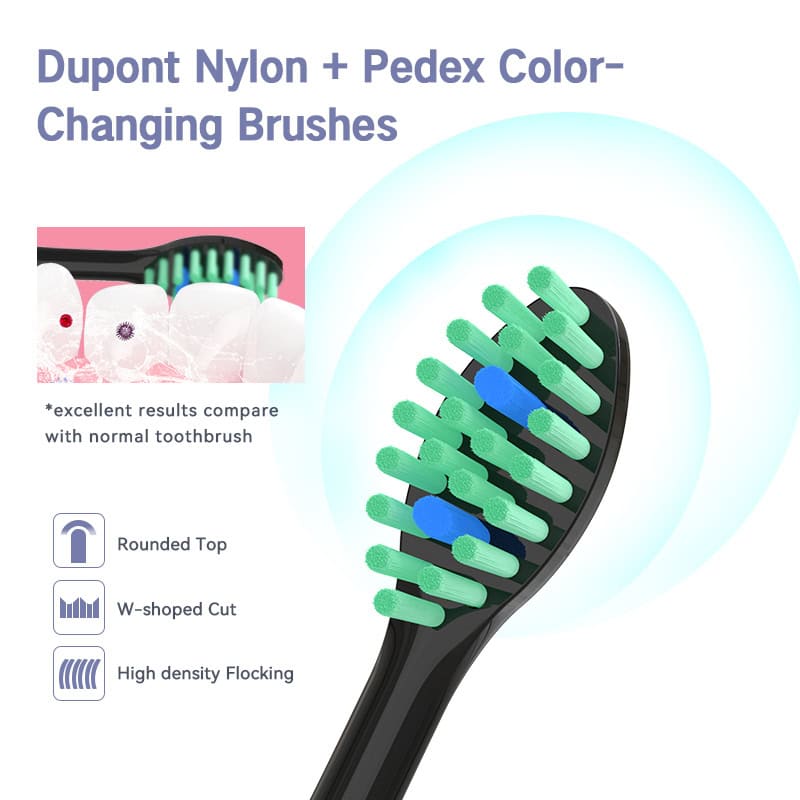
For a premium brand, offering high-quality replacement heads, like those made with DuPont™ Tynex® bristles, reinforces the quality of your product. It shows you care about the entire user experience, from the initial purchase to long-term maintenance. This builds trust and a stronger brand.
What do electric toothbrushes cost to make?
You see retail prices from $25 to $400. This huge variation makes it nearly impossible to guess the actual production cost. You need to know this to build a profitable product line and negotiate effectively.
The manufacturing cost of an electric toothbrush is far lower than its retail price. It can range from about $6 for a basic model to over $55 for a high-end smart one. A mid-range brush that sells for $100 might only cost $12 to $21 to produce.
This gap between manufacturing cost and retail price is where your brand’s profit margin lives. It covers marketing, distribution, and your net profit. Understanding this helps you make smarter sourcing decisions. I work with brands every day to find the right balance of features and cost. Here’s a look at the typical factory-direct manufacturing costs by tier:
| Product Tier | Manufacturing Cost | Typical Retail Price | Brand Gross Margin |
|---|---|---|---|
| Entry-Level | $6 – $11 | $20 – $50 | 70–85% |
| Mid-Range | $12 – $21 | $50 – $120 | 75–85% |
| Premium | $20 – $33 | $120 – $250 | 85–90% |
| Ultra-Premium (Smart) | $31 – $55 | $200 – $400 | 85–90% |
The key takeaway is that you can source a high-quality, mid-range toothbrush for a price that allows for a healthy margin, even after marketing and distribution costs. This is the power of working directly with an OEM/ODM partner like Besman.
How much should a good electric toothbrush cost to make?
You know that a "good" toothbrush needs quality components. But what specific parts drive up the cost, and which ones add the most value for the user? Without this knowledge, it’s hard to build the right product.
A good electric toothbrush, one that you can confidently position as a premium product, should cost between $12 and $33 to manufacture. This price covers a high-quality brushless motor, a long-lasting lithium-ion battery, and a reliable circuit board with key features.
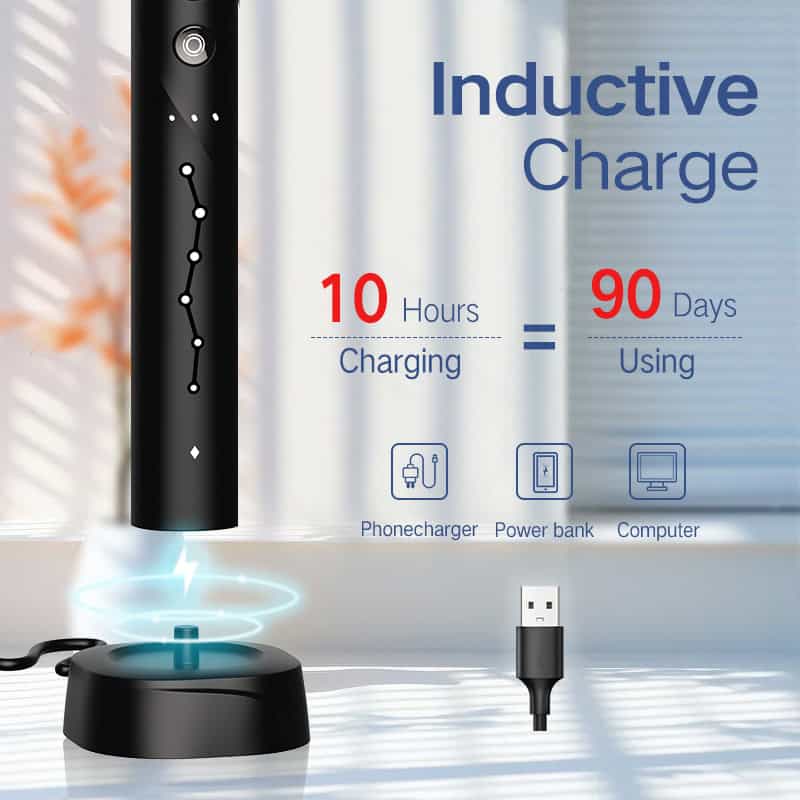
When I help a client specify a new product, we focus on the components that create a premium user experience. The two most important are the motor and the battery. A brushless motor costs more than a standard brushed motor ($2-$8 vs. $0.50-$2.00), but it delivers much higher vibration speeds and lasts significantly longer. For a premium brand, it’s non-negotiable. The same goes for the battery. A lithium-ion battery costs more than an older NiMH battery ($1.50-$4.00 vs. $0.80-$2.00), but it offers faster charging and a much longer life between charges. Adding wireless charging can increase the cost by another $3-$7, but it significantly boosts the perceived value for the consumer. These core components, along with a reliable PCB and quality DuPont™ bristles, form the foundation of a toothbrush that justifies a premium price.
What is the lifespan of an electric toothbrush?
You worry about product durability. An electric toothbrush that fails after just a year will damage your brand’s reputation and lead to costly returns. How long should a well-made toothbrush actually last?
A good Rechargeable electric toothbrush should last for three to five years with normal use. The lifespan depends almost entirely on the quality of the motor and the battery’s ability to hold a charge over hundreds of cycles.
At Besman, we build our toothbrushes to last. For example, our internal standards require a motor to last for at least 50 hours of continuous work. For a user who brushes for four minutes a day, that translates to over two years of use. However, better brushless motors can last for 500 to 1,000 hours, easily pushing the lifespan to five years or more. The battery is the other key factor. A quality lithium-ion battery is designed for 500-800 charge cycles, ensuring it holds its charge for years. I once worked with a client whose previous supplier used cheap motors and batteries. Their toothbrushes started failing after 18 months, and the negative reviews were a nightmare for their brand. Investing in quality components from a reliable manufacturer is the best insurance policy for your brand’s reputation.
Conclusion
An electric toothbrush’s price reflects branding, features, and marketing, not just its cost. Understanding the manufacturing costs empowers you to build a competitive and profitable product line for your brand.